

Tradition and modern support in Ghanaian funeral announcement letters
September 25th 2025, 12:00 am
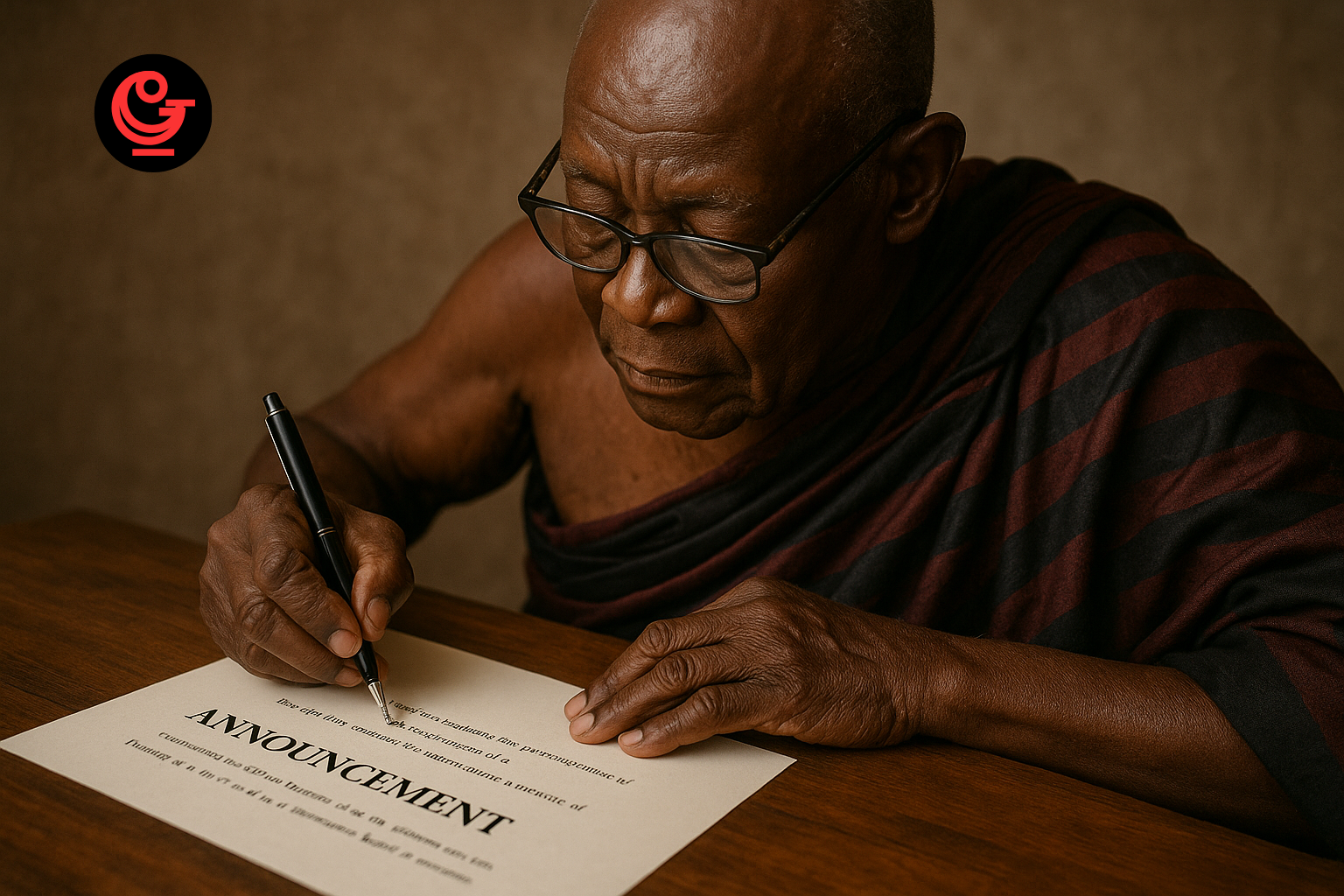
Tradition of announcing death in Ghana
For many years in Ghana, families have used funeral announcement letters to formally inform churches, chiefs, associations, and relatives of a loved one’s passing. These letters, which go beyond simple notifications, are a respected tradition that invites the community to come together to mourn, offer support, and honour the memory of the deceased.
Funerals, as the BBC notes, are deeply social in Ghana. A family’s duty includes ensuring the right people are informed in the right way, and the announcement letter has long been a trusted method.
Why funeral announcement letters matter
In their traditional role, announcement letters serve to:
Respect cultural expectations – Families show humility by sending formal notices.
Mobilise community – They call on pastors, chiefs, and associations to support.
Provide clarity – Giving dates, venues, and responsibilities in writing.
Preserve dignity – A written letter reflects honour for the deceased and their family.
For example, a letter to a church not only communicates arrangements but also acknowledges the pastor’s spiritual role and the congregation’s participation.
Traditional structure of the letter
Most funeral announcement letters follow a respectful order:
Salutation – Addressed formally to church leaders, chiefs, or institutions.
Statement of death – “It is with deep sorrow that we announce…”
Details of the deceased – Name, age, family, and community ties.
Arrangements – Dates and venues for the one-week wake, burial, and thanksgiving.
Invitation – Requesting attendance, prayers, and support.
Closing – Signed by the chief mourner or family representatives.
This formula reflects Ghana’s emphasis on respect, clarity, and inclusion.
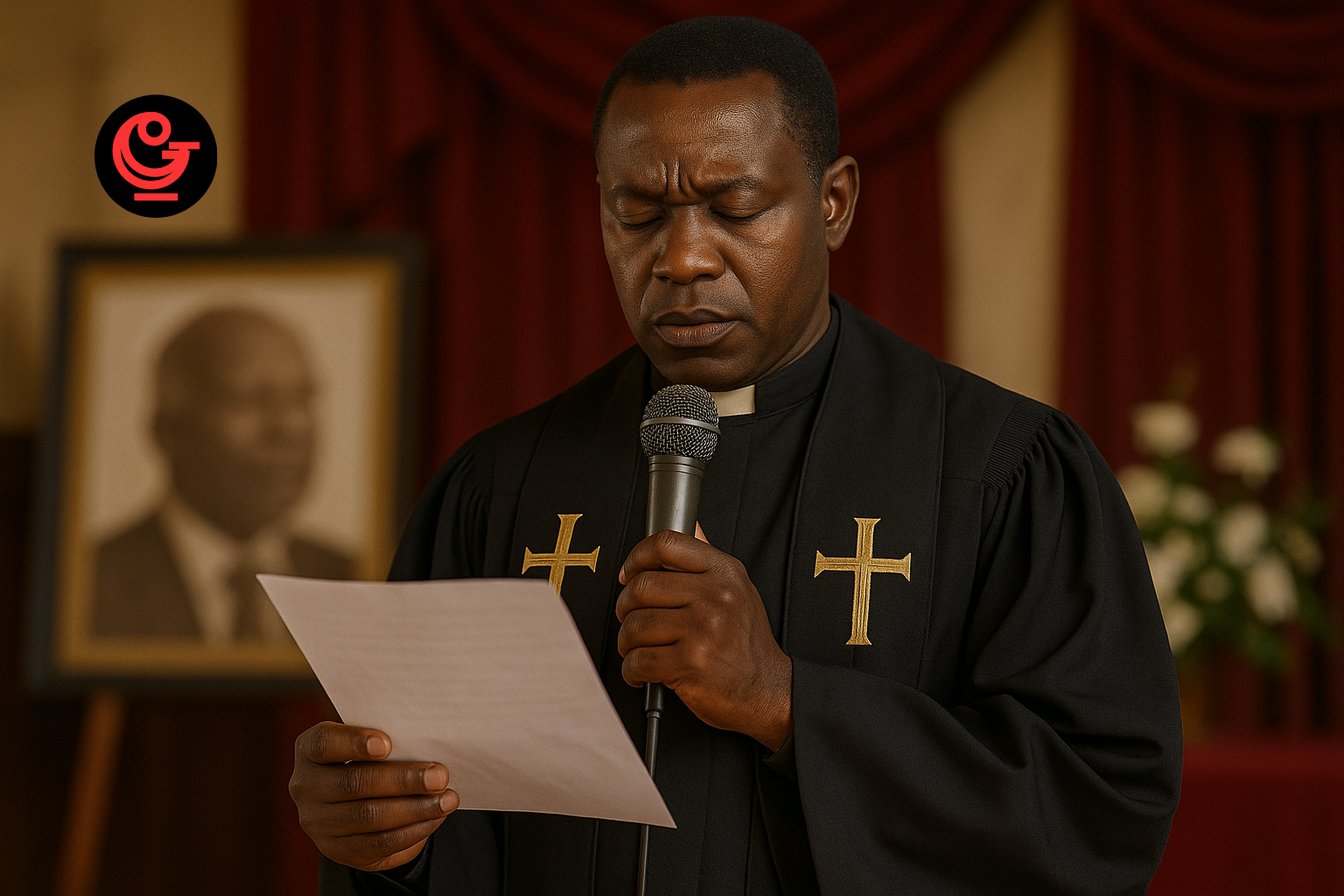
Example of a traditional funeral announcement letter
FUNERAL ANNOUNCEMENT LETTER
Dear Reverend Mensah,
It is with deep sorrow that the Family of the Late Mr Kwame Agyeman, formerly of Kumasi, announces his passing on 12th February 2025.
The funeral arrangements are as follows:
One-Week Celebration: Friday, 21st February 2025, at the family residence, Bantama, Kumasi.
Wake-Keeping: Friday, 14th March 2025, at St. Peter’s Catholic Church Hall, Bantama, from 8:00 pm.
Burial & Funeral Service: Saturday, 15th March 2025, at St. Peter’s Catholic Church, Bantama, at 9:00 am, followed by burial at Kumasi Cemetery.
Thanksgiving Service: Sunday, 16th March 2025, at St. Peter’s Catholic Church, Bantama, at 9:30 am.
We respectfully invite you and your congregation to join us in honouring his memory.
Yours sincerely,
Nana Yaa Agyeman
(Chief Mourner on behalf of the family)
Challenges with traditional letters
Although valuable, funeral announcement letters can be difficult for families to manage:
Time pressure – Drafting and distributing letters while grieving.
Multiple audiences – Churches, chiefs, associations, and relatives all require different notices.
Geographic limits – Diaspora relatives rarely see physical letters.
Short lifespan – Letters often disappear after the funeral, leaving no permanent record.
Modern support: the everlasting digital obituary
This is where Ghana Memorial steps in, extending the tradition of the funeral announcement letter into the digital age. With our everlasting digital obituary, families can:
Create a Funeral Announcement page (coming soon) that mirrors the role of a traditional letter.
Send the announcement instantly to pastors, chiefs, relatives, and friends worldwide.
Preserve the announcement permanently on a Ghana Memorial page.
Attach related documents like the Funeral Program or Funeral Brochure.
Allow tributes via the Online Condolence Book.
Use the Funeral Planner to organise names, dates, and acknowledgements.
This way, families still respect tradition while ensuring accessibility, inclusivity, and permanence.
A funeral announcement letter serves as a cultural bridge, connecting families with churches, chiefs, and communities. It reflects tradition, respect, and inclusion. With Ghana Memorial’s everlasting digital obituary, this practice is preserved and enhanced, making it easier, broader, and permanent.
Related Articles
Appreciation messages after funerals in Ghana
Browse the post to know more and explore detailed insights on this topic.
Read MoreGhanaian funeral ceremonies: A cultural journey across traditions
Browse the post to know more and explore detailed insights on this topic.
Read More