

Condolence messages in Ghana: Words that heal and unite
September 24th 2025, 12:00 am
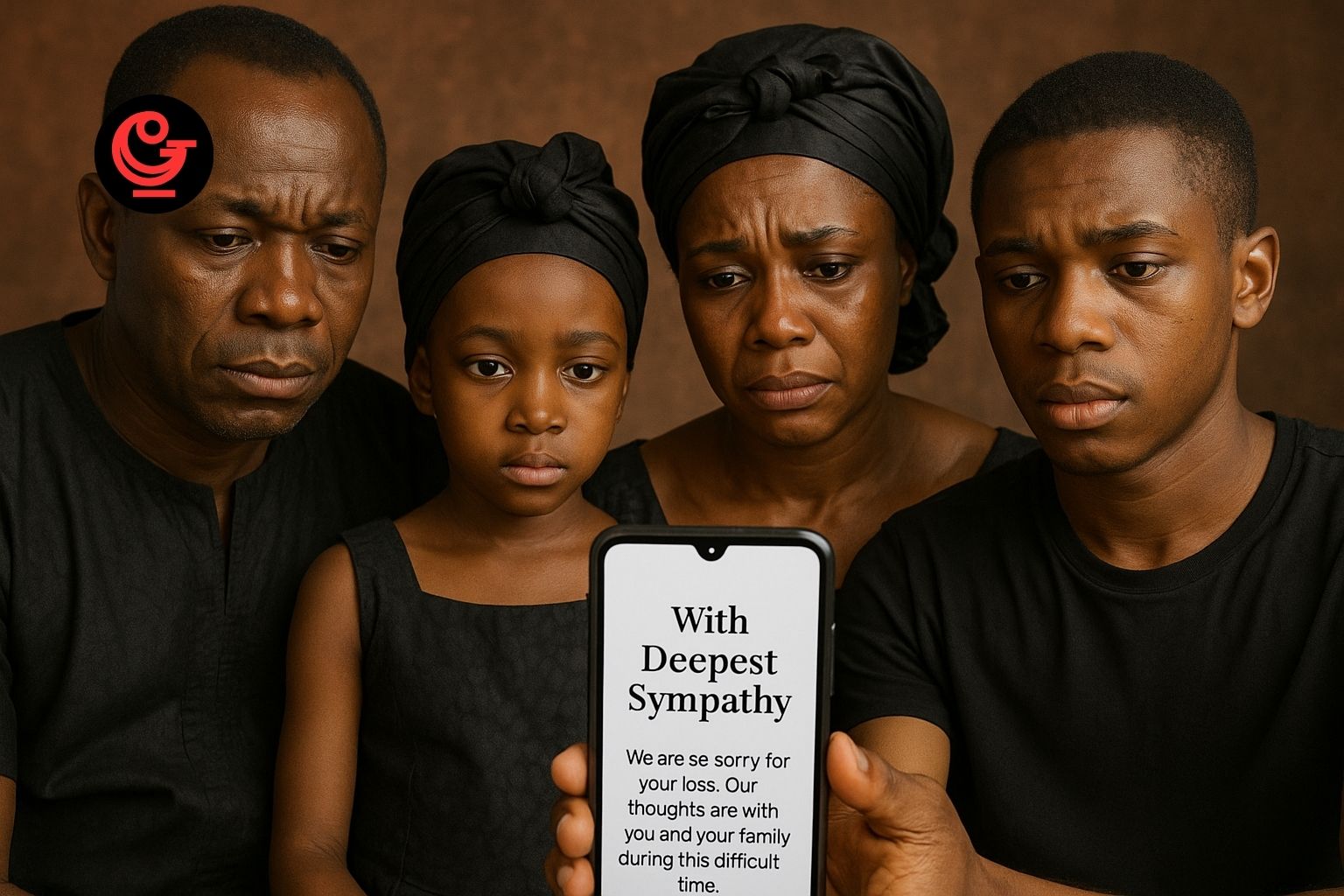
The power of words in times of grief
In Ghana, funerals serve not just as moments of mourning but also as expressions of unity, identity, and deep respect. One meaningful way people show their support during these times is by sending condolence messages.
These words, whether spoken, written, or digital, provide comfort to bereaved families and remind them that grief is carried collectively, not alone. Funerals in Ghana are elaborate and deeply social events. Condolence messages, whether shared in person or across distances, are an important part of this communal mourning culture.
The cultural role of condolence messages
Condolence messages are more than polite gestures — they are integral to Ghanaian funeral traditions:
Community support – Words of comfort assure families that they are not isolated in grief.
Cultural respect – Messages affirm the life and dignity of the deceased.
Healing and resilience – Sympathetic words can bring emotional relief to the bereaved.
Diaspora connection – Condolences shared from abroad bridge the distance and keep family ties strong.
How condolence messages are expressed in Ghana
Condolences take many forms, depending on tradition, relationship, and circumstance:
Spoken tributes – Shared during home visits, wake-keeping, or church services.
Condolence letters – Formal notes written to families, churches, or chiefs.
Church announcements – Public messages of sympathy read during Sunday services.
Digital messages – WhatsApp, Facebook, and SMS are now widely used, especially by diaspora relatives.
Online condolence books – Preserving tributes permanently on digital platforms.
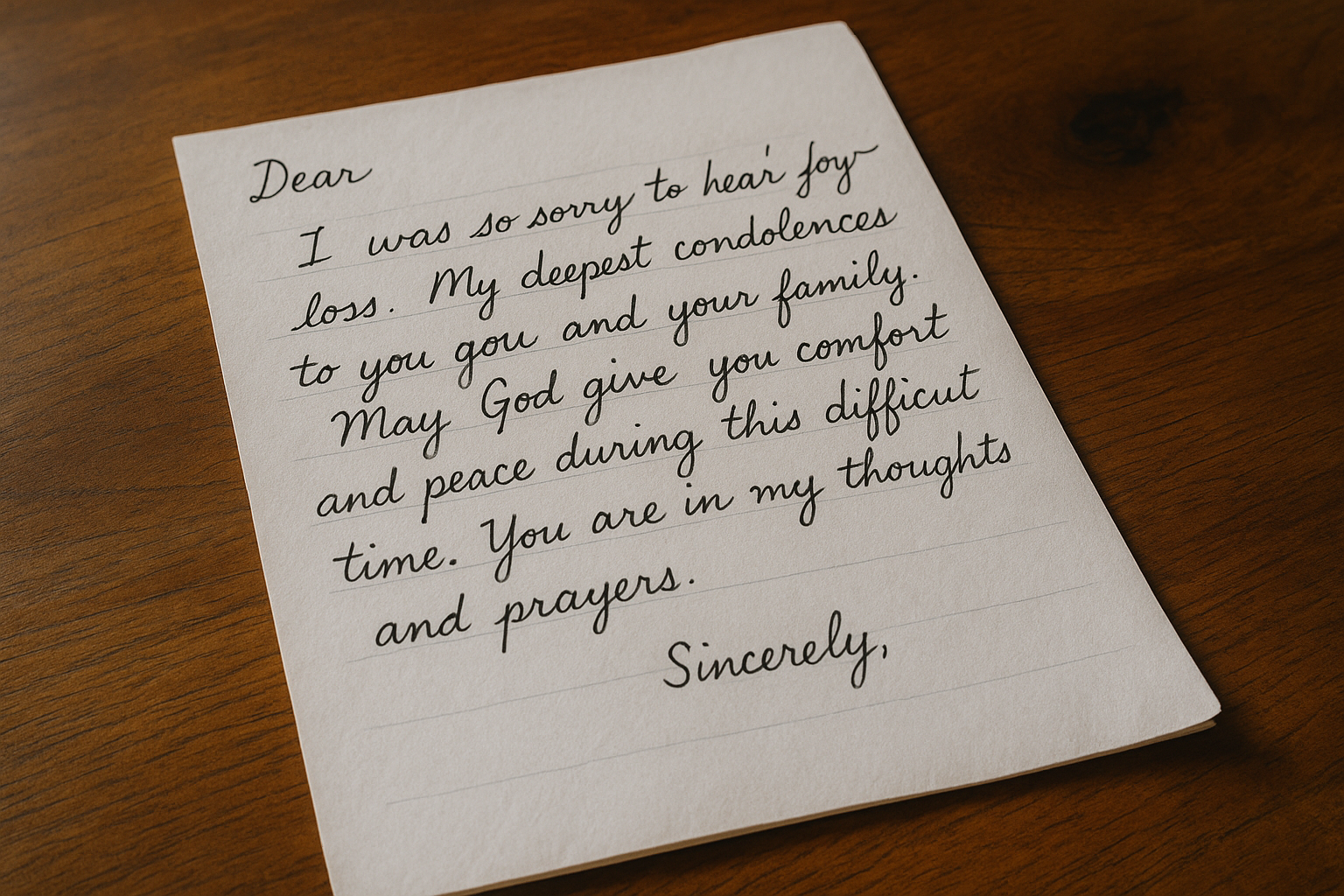
Examples of condolence messages in the Ghanaian language
Some simple yet heartfelt examples include:
“Mesrɛ wo, gye m’awerɛkyekye a emu dɔ no tom, Awurade nhyɛ wo ne w’abusua den wɔ saa bere a emu yɛ den yi mu.” which translates to “Please accept my deepest condolences. May the Lord strengthen you and your family during this difficult time.”
“Na w’agya yɛ ayamyefo kɛse, yɛne wo di awerɛhow na yɛbɔ mpae hwehwɛ asomdwoe wɔ wo komam.” which translates to “Your father was a man of great kindness. We mourn with you and pray for peace in your heart.”
“Ɛwom sɛ mintumi nkɔ hɔ honam fam de, nanso me mpaebɔ wɔ wo ne w’abusua nkyɛn.Ɛmmra sɛ wubenya awerɛkyekye wɔ Onyankopɔn dɔ mu.” which translates to “Though I cannot be there physically, my prayers are with you and your family. May you find comfort in God’s love.”
Challenges with condolence messages
Despite their importance, condolence messages can be difficult to manage:
Volume – Families may receive hundreds of messages, making it hard to preserve them.
Distance – Not all friends and relatives can deliver condolences in person.
Short lifespan – Spoken words and texts may be forgotten after the funeral.
Record-keeping – Without structure, messages are easily lost.
The everlasting digital obituary as a solution
At Ghana Memorial, we help families preserve sympathy permanently through the everlasting digital obituary. With our platform, families can:
Gather tributes in the Online Condolence Book.
Pair condolences with a Family Page, keeping messages alongside photos and stories.
Share condolences worldwide through the Funeral Announcement (coming soon).
Preserve every message permanently on a Ghana Memorial page.
Thank contributors afterwards with a Funeral Appreciation Card.
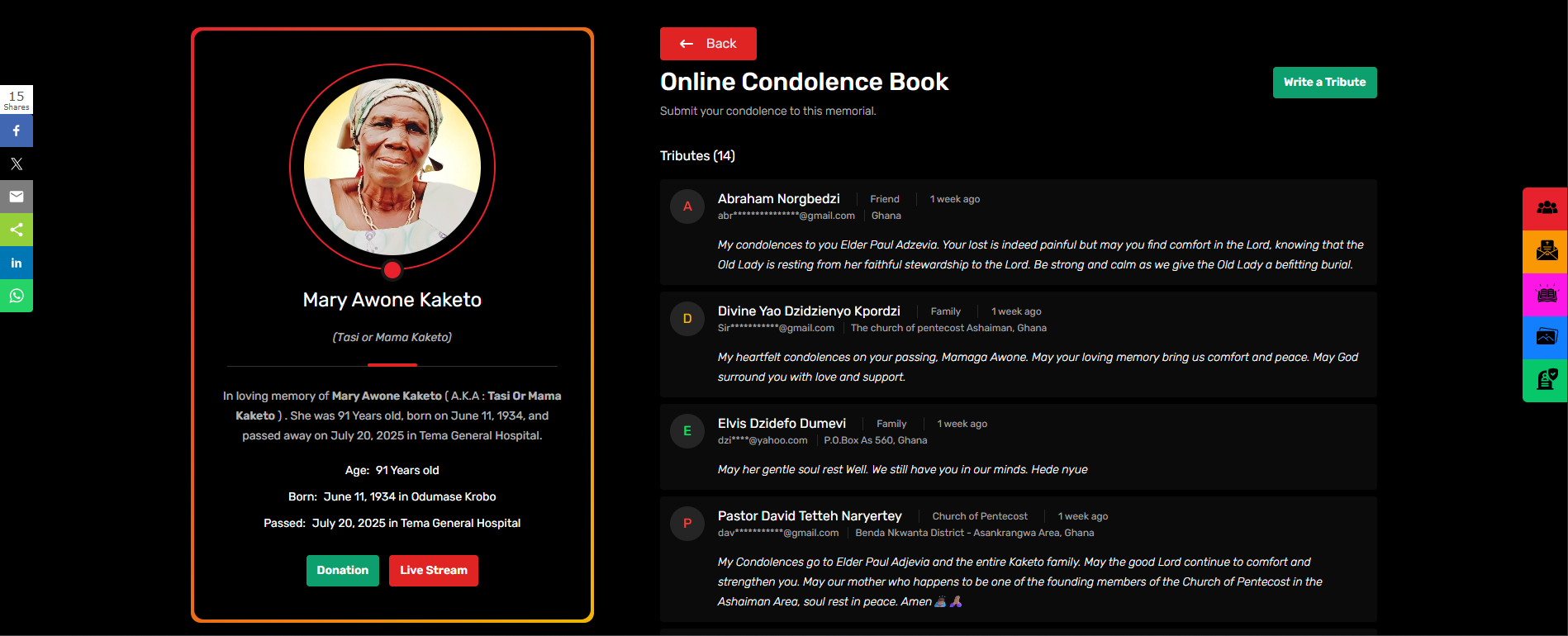
This ensures that condolence messages are not lost but remain part of a lasting tribute to the deceased.
Condolence messages in Ghana carry profound weight. They are not just words but acts of solidarity, love, and cultural respect. They comfort the bereaved, connect the community, and preserve the memory of the deceased.
With Ghana Memorial’s everlasting digital obituary, families can ensure that these words of comfort remain preserved forever.
Related Articles
Funeral background in Ghana: Culture, tradition, and modern design
Browse the post to know more and explore detailed insights on this topic.
Read MoreOne-year anniversary funeral posters in Ghana: Preserving memories
Browse the post to know more and explore detailed insights on this topic.
Read More