

Process of death registration and obtaining burial permits
October 6th 2025, 12:00 am
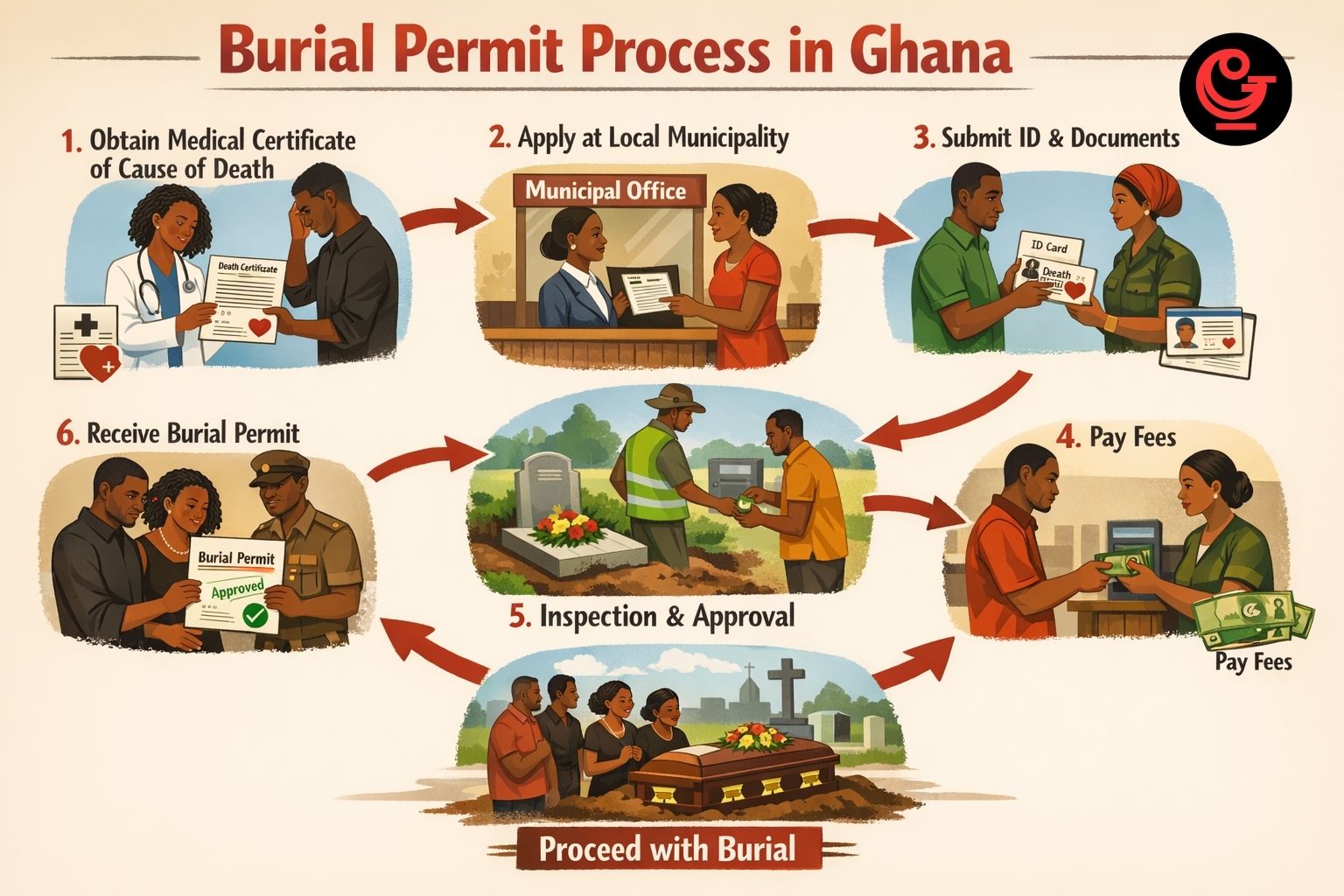
In Ghana, obtaining a burial permit from the Births and Deaths Registry is a legal requirement before any burial can take place. However, families often face significant challenges during this process, especially those who are unfamiliar with the legal requirements and who must navigate tight deadlines amid emotional distress. This blog explores the common difficulties Ghanaian families encounter when obtaining burial permits and suggests ways to make the process more accessible and less stressful.
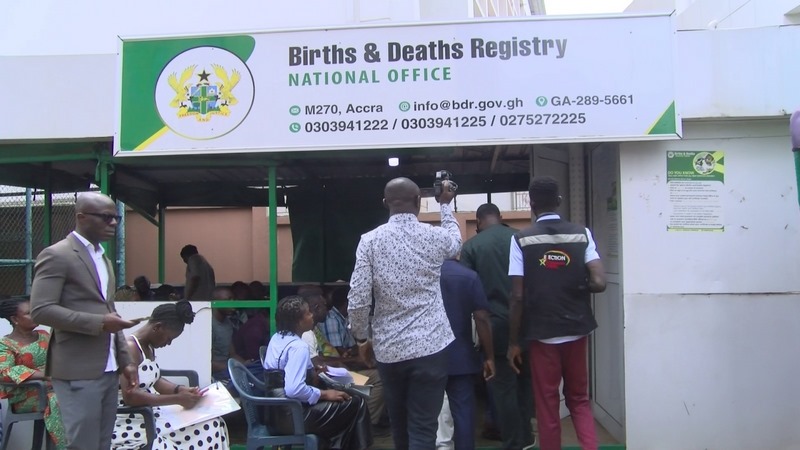
Challenges Families Face in Obtaining Burial Permits
Complex Legal Requirements and Documentation
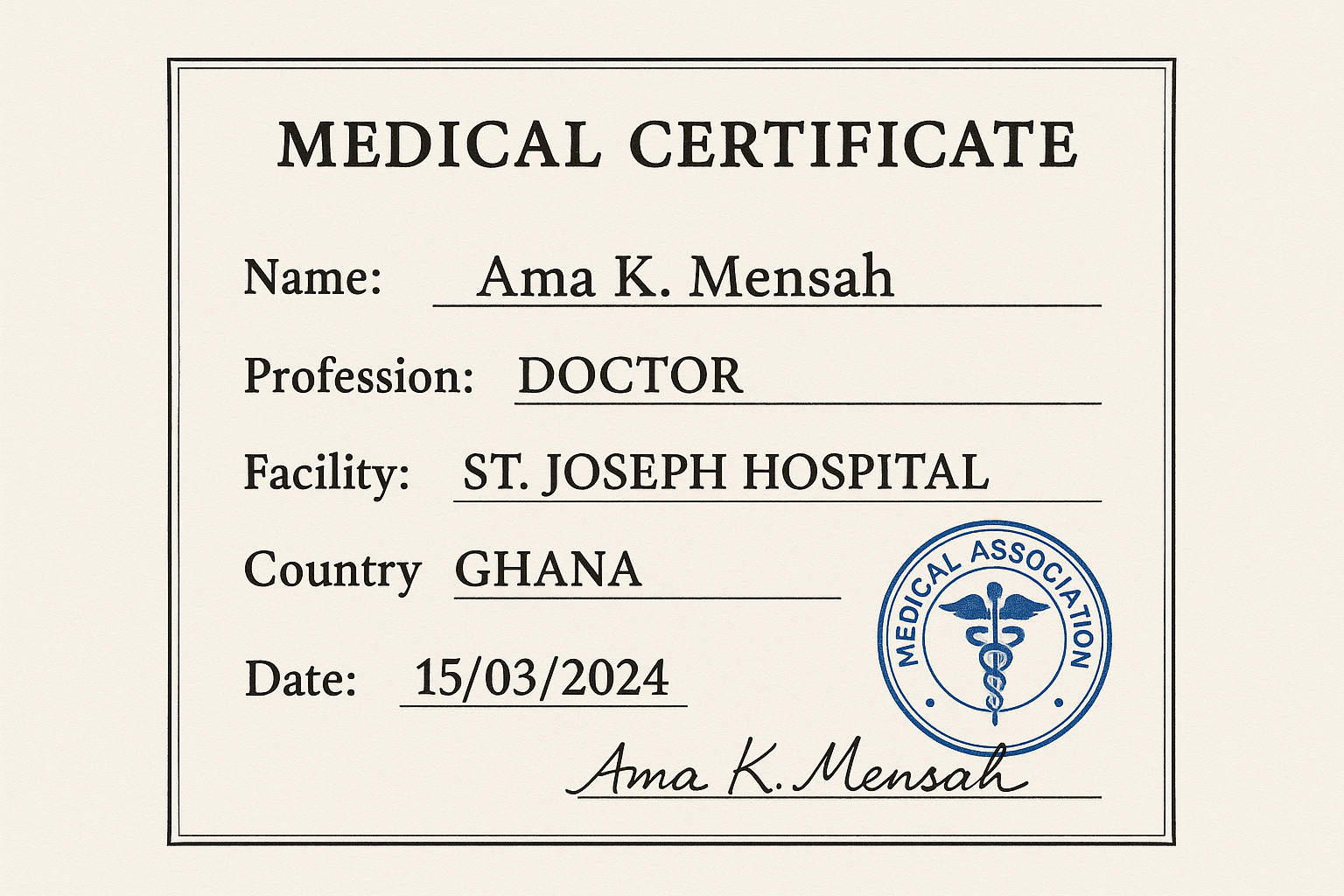
A burial permit in Ghana is an official legal document authorising the burial of a deceased person. The process begins with registering the death at the Births and Deaths Registry, which requires several documents, including a medical certificate of cause of death issued by a doctor, proof of the deceased’s identification, and sometimes a police report if the death was suspicious or sudden.
For families unfamiliar with these requirements, especially those who have lost loved ones unexpectedly, gathering these documents can be overwhelming and confusing.
Accessibility Issues and Delays
Many families face geographical and logistical barriers in accessing the registry offices. In rural or remote areas, the nearest Births and Deaths Registry office might be far away, making it difficult to register deaths promptly. These delays can put added pressure on families who often have limited time to arrange funerals within culturally appropriate timeframes.
Tight Deadlines and Emotional Stress
It is important to understand the significant cultural differences in burial timelines within Ghana. For Muslim families, Islamic law encourages the burial to take place within 24 hours of death to preserve the dignity of the deceased. This often means that burial permits and death registration need to be processed very quickly to meet this religious requirement.
Financial and Informal Challenges
Although the burial permit itself is generally issued free of charge by the registry upon death registration (with fees applied for death certificates), families often face unofficial costs such as bribery demands by cemetery officials or watchmen who require payments to allow burials without permits. These informal payments create financial burdens and ethical dilemmas for grieving families.
Lack of Public Awareness
A general lack of public understanding about the need and process for obtaining burial permits means many families do not prepare for or prioritise this legal step. This can result in illegal or unregistered burials, which have public health implications and complicate legal issues related to inheritance or estate management.
How to Make Burial Permits More Accessible and Less Stressful
Families dealing with the loss of a loved one already face emotional strain, and getting burial permits should not add unnecessary stress. While systemic improvements are needed, there are practical steps families can take to ease the process, given the current situation:
Prepare Important Documents Early: Keep critical papers ready as soon as possible, such as the medical certificate of cause of death, the deceased’s national ID, and any previous registration receipts. Having these on hand can speed up registration and application for the burial permit.
Register the Death Promptly: Visit the local Births and Deaths Registry office or use available online platforms to begin death registration without delay, ideally as soon as the medical certificate is issued. Early registration helps avoid last-minute rushes before burial.
Seek Help from Funeral Homes: Funeral service providers are often experienced with the Burial Permit process and can assist families with the paperwork, submission, and follow-up. Don’t hesitate to ask for their support.
Communicate with Registry Officials: Direct contact with local Births and Deaths Registry staff or their call centres can clarify any doubts about required documents or procedures, helping avoid delays caused by incomplete submissions or misunderstandings.
Know Your Local Office Hours and Requirements: Each registry office might have specific working hours and document requirements. Check this in advance to avoid multiple trips.
Use Community or Mobile Registration Services: Where mobile registration units or community outreach programmes are available, use these convenient options to register deaths and apply for burial permits closer to home.
Stay Calm and Organised: Keep a checklist of the required steps and documents to track progress and reduce confusion during what is understandably an emotional time. Organising this information early can improve efficiency on the family’s end.
By taking these practical steps, families can better navigate the legal and bureaucratic aspects of burial permits, avoiding unnecessary delays and stress while focusing on honouring their loved ones.
Obtaining a burial permit in Ghana is a crucial legal and public health step that ensures respect for the deceased and compliance with national laws. Despite the challenges many families face, including complex legal requirements, access issues, tight timelines, and informal payment demands, there are practical ways to make this process more accessible and easier to navigate.
Simplified procedures, decentralised services, stronger public education, professional support, and technology integration are key to helping families manage this aspect of burial planning with dignity and less stress.
Understanding these challenges and working towards solutions, Ghana can better support its citizens to honour their loved ones legally and respectfully, sustaining rich cultural traditions while meeting legal standards.
