

Grave maintenance and long-term care in Ghana
March 26th 2026, 12:00 am
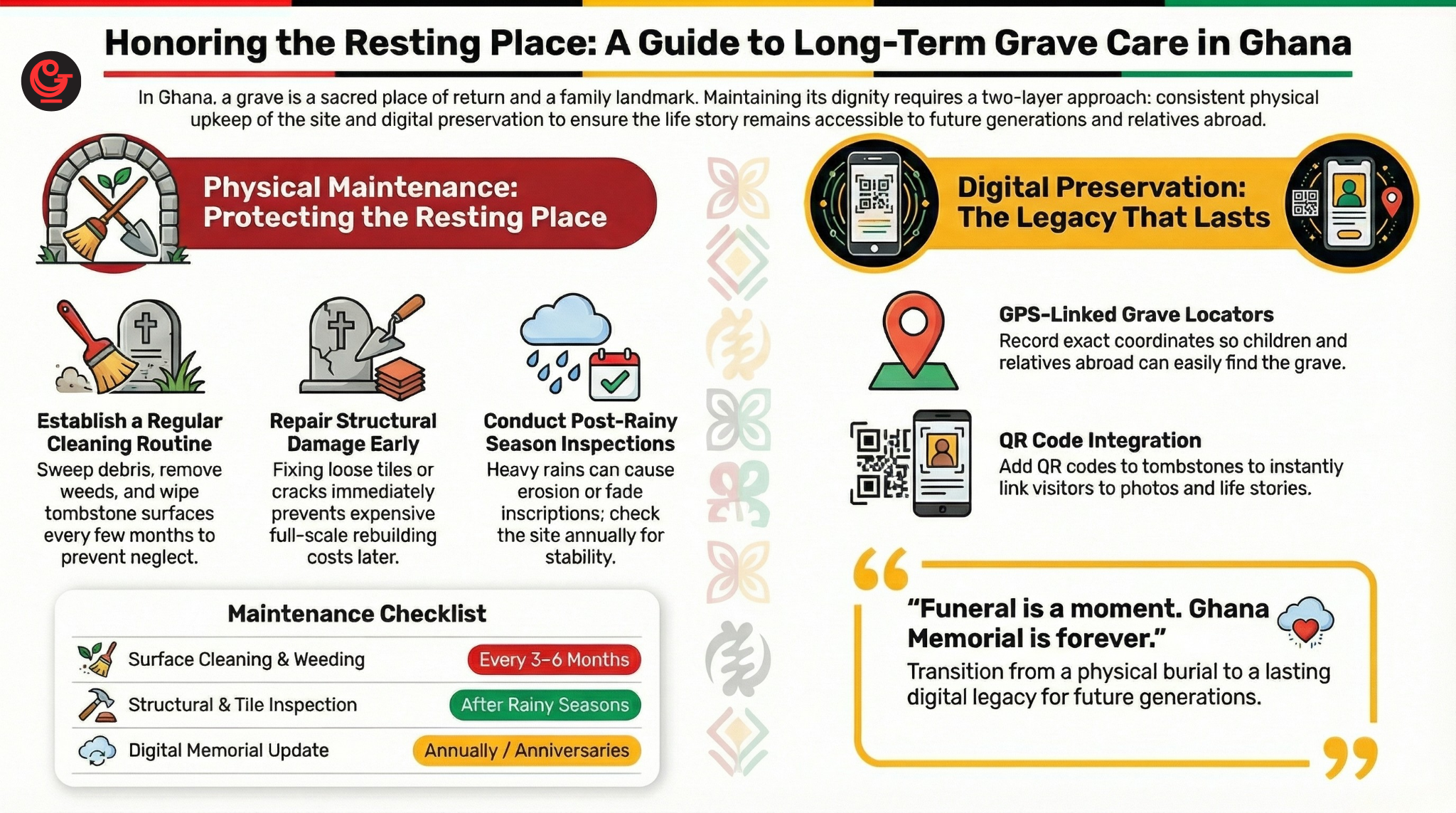
In Ghana, the burial of a loved one is not the end of a family’s responsibility. For many, it is the beginning of a quiet but important duty: taking care of the grave in a clean and lasting condition.
Grave maintenance matters here. A well-kept grave becomes a place people return to. Children visit, spouses pause in silence, and relatives from abroad walk there when they come home. It is about dignity, family continuity and love that lasts.
Why grave care matters in Ghana
Funerals in Ghana are moments of honour. However, the care that follows is often less discussed. After the burial, families may still need to think about the condition of the grave, the tombstone, the surroundings, and how the site will be recognised years later.
This is especially important in Ghana because many graves become family landmarks. A well-kept grave helps future generations identify where a loved one rests. It also reflects the family’s respect for the person who has passed.
In many homes, the grave remains part of family memory long after the funeral posters are taken down and the brochures are stored away. That is why long-term care matters.
Common grave maintenance needs in Ghana
Grave care in Ghana depends on the type of burial ground, the materials used, and the family’s budget. Some graves are simple. Others include tiled surrounds, rendered structures, or upright granite headstones. Different graves need different levels of care.
1. Cleaning the grave surface
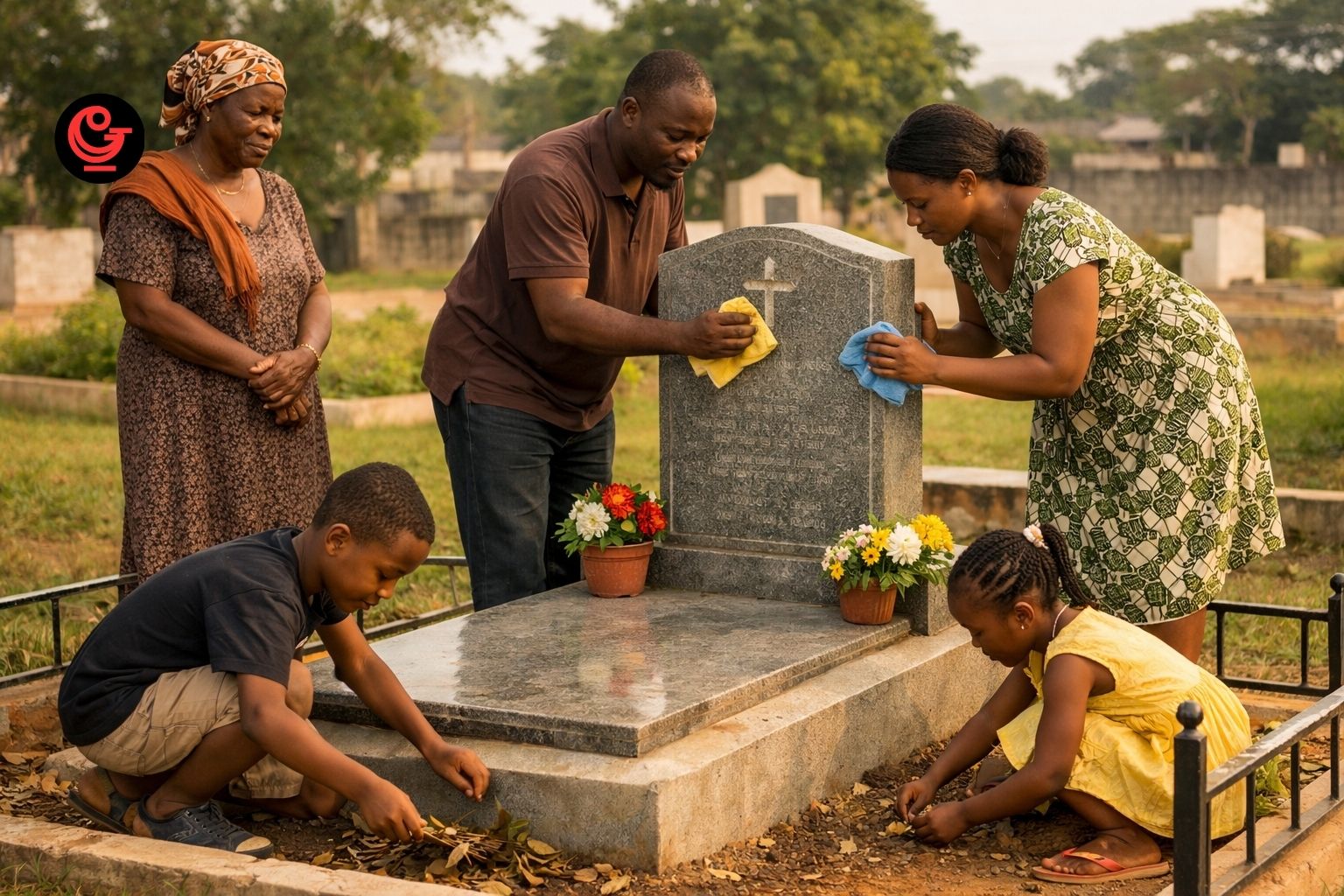
Dust, weeds, fallen leaves, and stains can quickly affect the appearance of a grave. In the rainy season, mud and plant growth can make a grave look neglected. A basic cleaning routine may include:
Sweeping the grave area
Removing weeds around the edges
Wiping the tombstone or plaque
Washing tiled or concrete surfaces carefully
Clearing litter from nearby areas
For many families, this is done before remembrance visits, family gatherings, one-year anniversaries, or festive periods when relatives return home.
2. Protecting the tombstone
The tombstone is often the most visible part of the grave. In Ghana, families use flat markers, upright headstones, ledger tombs, and tiled or rendered tomb structures.
Over time, inscriptions can become harder to read if the surface is not cleaned properly. Paint may fade on concrete structures. Tiles may crack. Therefore, families should inspect the grave every few months, especially after heavy rain.
3. Repairing damage early
Small problems often become expensive when left too long. A loose tile, a leaning headstone, a cracked edge, or water erosion around the grave can worsen over time. Early repair helps keep costs lower and protects the appearance of the grave.
In Ghana, families often rely on local masons, tombstone suppliers, or funeral service providers for these repairs. This is one reason it helps to keep the contact details of the original grave builder or stone supplier.
Long-term care is part of remembrance
In many Ghanaian families, remembrance is not limited to one date. Graves may be visited during anniversaries, holidays, family gatherings, or when relatives travel back from abroad. Some families clean the grave themselves. Others ask relatives nearby to help. Diaspora families may also support the cost of maintenance from outside Ghana.
This practical need fits a wider truth: grief changes over time, but remembrance continues. Ghana Memorial’s broader approach is built around that same idea. The platform is designed to help families preserve stories, tributes, media, family connections, and GPS-linked grave locations in one respectful digital space. It also supports funeral information before and during the funeral, and continued remembrance after it.
A simple grave care plan for families
Many families do not need a complicated system. They need a clear plan. The checklist below can help.
A practical grave maintenance checklist
Visit or inspect the grave regularly
Try to check the grave every few months, or ask a trusted relative to do so.Clean the area gently
Remove weeds, sweep the surroundings, and wipe surfaces without using harsh chemicals.Check for cracks or loose fittings
Look at tiles, concrete edges, plaques, and inscriptions.Review the tombstone text
Make sure names and dates remain visible and readable.Protect the location details
Keep the exact location recorded, especially for children and relatives abroad.Arrange repairs early
Small repairs are easier than full rebuilding later.Add a digital layer of remembrance
Where suitable, connect the grave to an online memorial so family members can still access the life story, tributes, photos, and grave location.
Ghana-specific examples of long-term grave care
Example 1: A family grave in Kumasi
A family in Kumasi buries their mother in a private family plot. Three months later, they installed a granite headstone. Because granite is durable, the main work after that is cleaning, weeding, and checking that the base remains firm during the rainy season. One of the children abroad pays yearly for basic upkeep.
Example 2: A tiled grave in Accra
A family in Accra chooses a tiled tomb structure. It looks neat and finished, but after two rainy seasons, some tiles begin to loosen. Because the family notices it early, they hire a mason to repair only the damaged section instead of replacing the whole top.
Example 3: A diaspora family managing care from abroad
A son living in Toronto wants to stay connected to his father’s grave in Cape Coast. The family keeps the grave maintained locally, but they also use a digital memorial and GPS-linked location so that relatives abroad can still view the grave location, share tributes, and remain connected to the memory.
From grave care to connected remembrance
Physical maintenance matters. However, today, many families also want the grave to remain meaningful to younger generations who live elsewhere or visit less often.
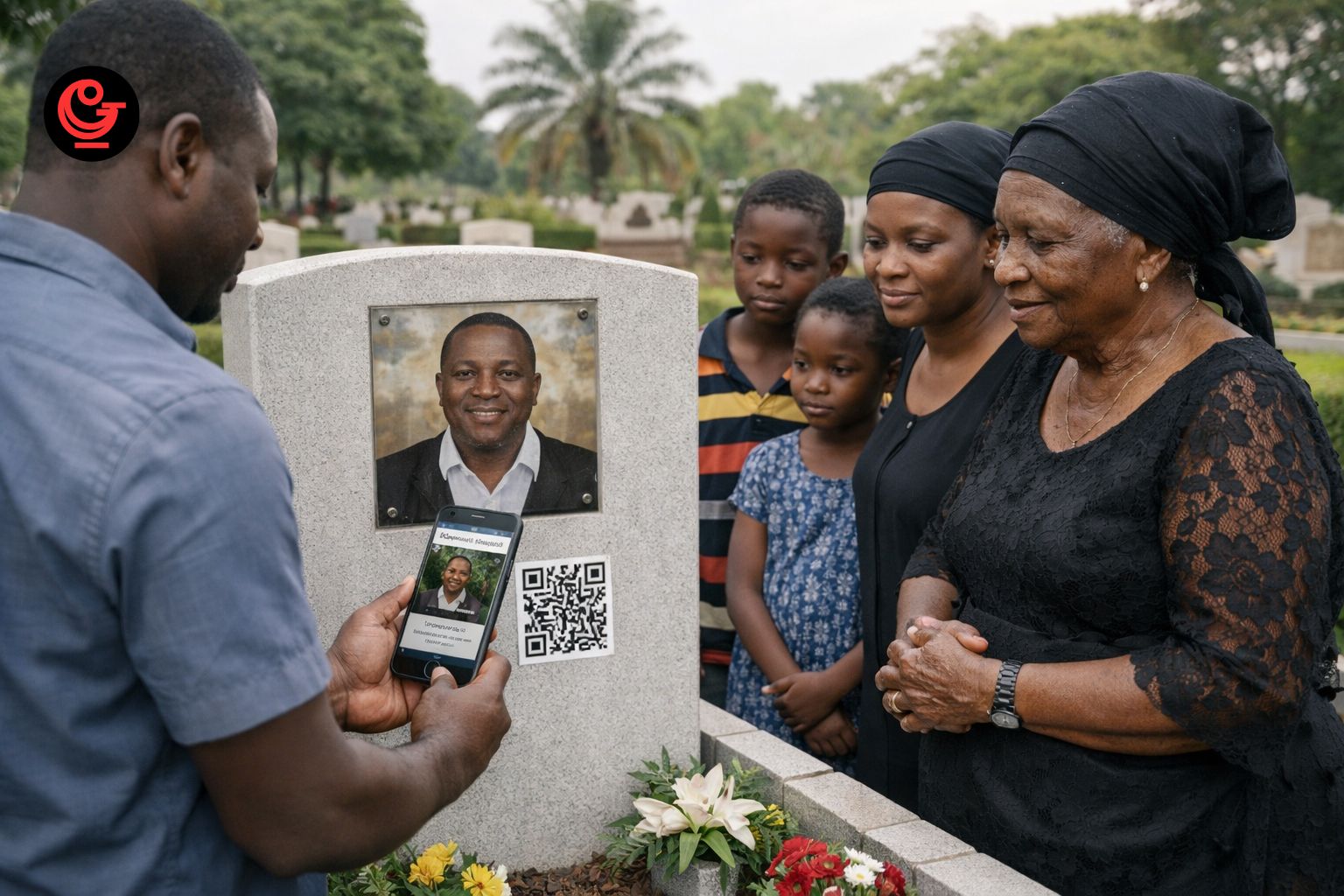
That is where a connected memorial can help. Ghana Memorial already positions the memorial as a lasting digital space with tributes, stories, media, donation links, funeral information, and GPS-linked grave data. The QR code integration also allows a poster, brochure, or tombstone sticker to open the memorial directly.
This does not replace the grave. It supports it. The stone marks the resting place. The digital memorial helps preserve the story.
Because memories deserve more than paper.
Challenges families may face
Grave care in Ghana can be difficult for practical reasons:
Family members may live far away
The grave may be in a busy or exposed cemetery
Rain and weather can damage finishes
Maintenance responsibility may be unclear
Costs can rise when repairs are delayed
A respectful modern approach
With tradition explained, let us look at the practical lesson. Long-term grave care in Ghana works best when families think in two layers:
Physical care for the grave, tombstone, and surroundings
Digital care for the memory, story, and access for relatives near and far
This approach is especially useful for families spread across Ghana and the diaspora. It keeps the remembrance shared, organised, and easier to continue.
Grave maintenance and long-term care are about more than cleaning a burial site. They are about keeping honour visible over time. A grave that is cared for tells the family’s story quietly but clearly. It says this person is remembered.
And now, families do not have to choose between tradition and technology. They can maintain the grave physically and preserve the memory digitally. A well-kept grave offers dignity. A connected memorial offers continuity. Together, they bring peace to families and help remembrance last.
For families planning these decisions step by step, the best next reference is the Funeral Planner Guide.
Related Articles
Wills, Estate and Probate after death in Ghana: What families should know
Browse the post to know more and explore detailed insights on this topic.
Read MoreTombstones in Ghana: Types, Materials, Prices & Timing
Browse the post to know more and explore detailed insights on this topic.
Read More