

Working with the church during funeral planning in Ghana
March 31st 2026, 12:00 am
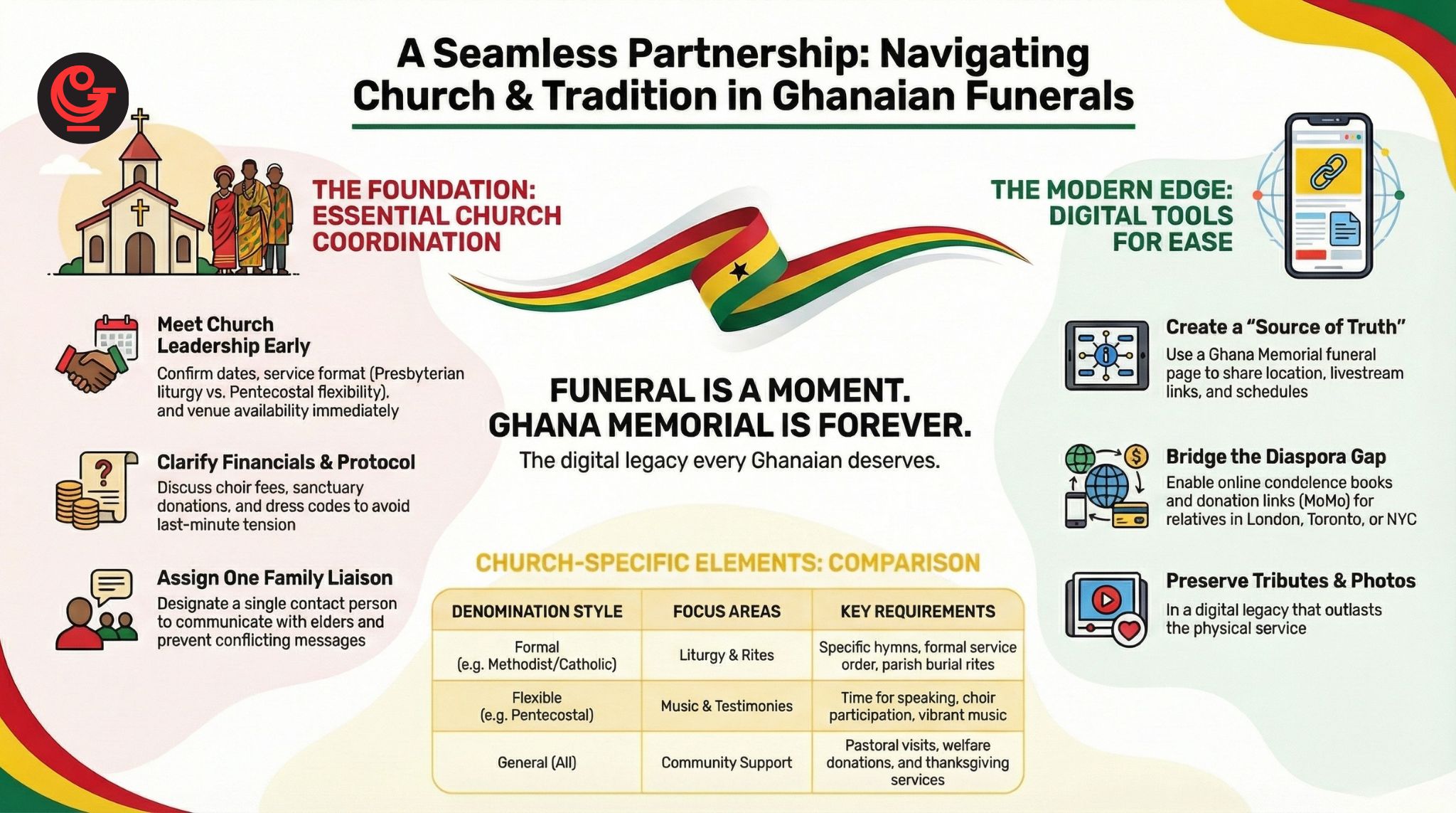
When a loved one passes, one of the first calls many Ghanaian families make is not only to relatives, but also to the church. In many homes, the church is part of the funeral from the first prayer to the final thanksgiving. It gives spiritual support, helps with organisation, and brings people together at a time when families may feel overwhelmed.
That is why working with the church during funeral planning in Ghana is often one of the most important parts of funeral planning. When the family and the church work well together, the funeral becomes calmer, clearer, and more respectful for everyone involved.
This approach fits well with Ghana Memorial’s mission to make funerals smoother, easier, and less expensive, while supporting remembrance in a lasting and dignified way.
Why the church matters so much in Ghanaian funerals
In Ghana, funerals are not only private family events. They are also community events. For many families, the church provides the moral, spiritual, and social structure around the funeral.
Depending on the denomination, the church may help with:
Pastoral visits and prayer before burial
Announcements during services
Use of the church premises
Choir or music support
Guidance on the funeral service order
counselling for the grieving family
Thanksgiving or memorial services after the burial
In towns and cities such as Accra, Kumasi, Cape Coast, Ho, and Takoradi, churches often serve as trusted centres of coordination. Even when families use funeral homes, printers, caterers, and online tools, the church still remains a key voice in the process.
What families should clarify with the church early
One common challenge is that families assume the church will handle certain matters automatically. However, each church has its own rules, expectations, and level of involvement. Therefore, it helps to meet the church leadership early and confirm the main points.
1. Funeral service format
Ask whether the church expects:
A wake or Christian vigil
A church service before burial
A graveside service
A thanksgiving service on Sunday
A one-week observance with church participation
For example, a Presbyterian or Methodist church may follow a more formal liturgy, while some Pentecostal churches may allow more flexibility in music, testimonies, and speaking time.
2. Financial expectations or contributions
Some churches may request:
A sanctuary or hall for the use of contributions
Choir support fees
Welfare or funeral donation expectations
Transport support for church officers
Printing of programmes for church leaders
This should be discussed respectfully and clearly. Families already face many costs, so early clarity helps avoid tension later.
3. Dress code, order, and protocol
In Ghana, church protocol matters. The family should ask about:
Who sits where
Who leads the opening prayer?
Whether tributes may be read in church
Whether there are restrictions on photography or video
Whether the church has rules on attire, hymns, or music choice
These details may seem small, but they help the day run smoothly.
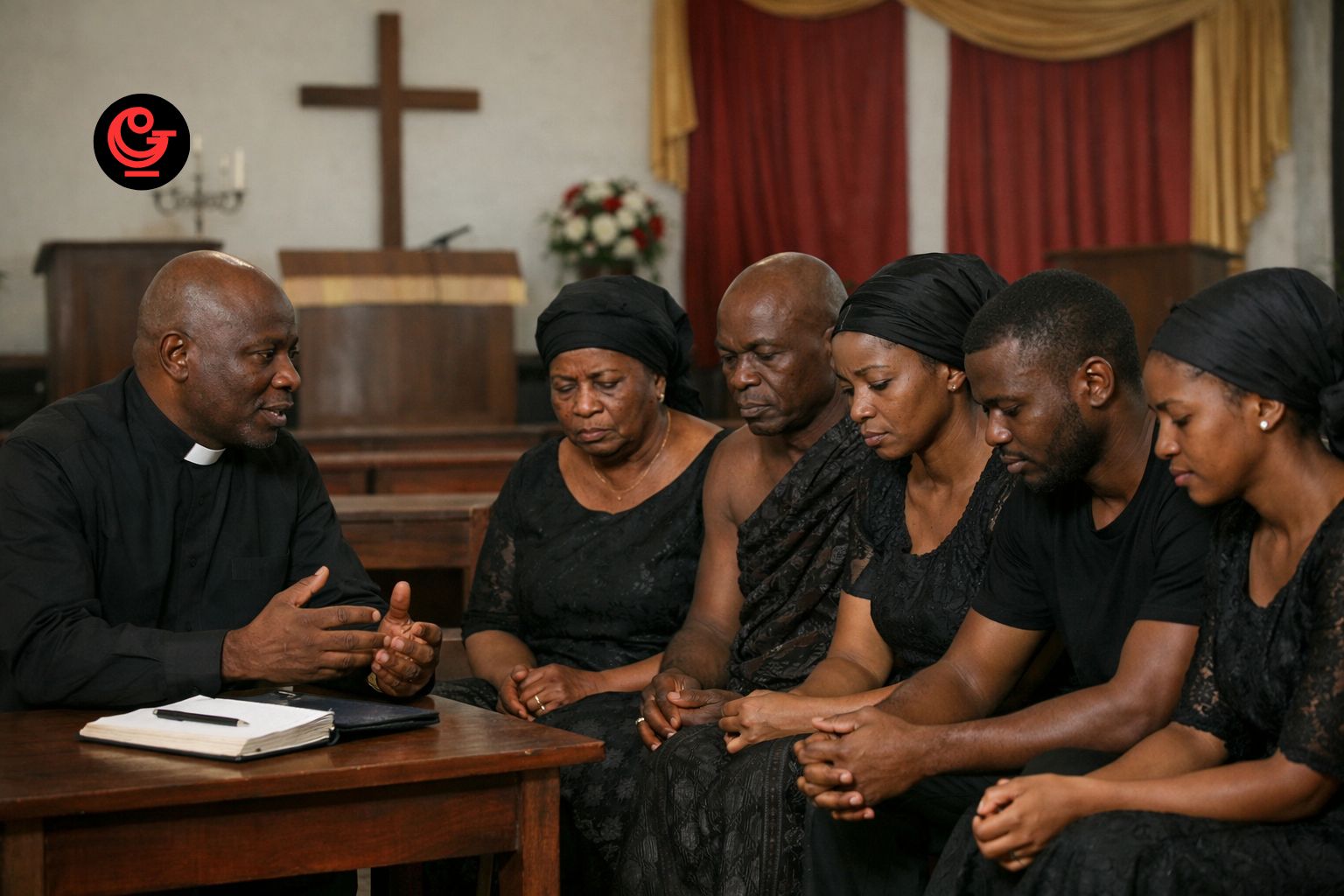
Common difficulties when working with the church
Although the church is often supportive, families can still face practical problems. These usually come from a lack of planning rather than a lack of goodwill.
Some common issues include:
Late communication with the pastor or elders
Disagreement between church tradition and family wishes
Confusion about dates and programme timing
Unclear roles between church leaders and family heads
Difficulty informing diaspora relatives and church members abroad
Stress around printed materials, announcements, and contributions
For example, a family in Accra may agree with the church on a Saturday burial service, but relatives abroad may still struggle to follow updates if information is only shared verbally or in paper format. In such cases, tradition is present, but communication is weak.
A practical way to work better with the church
The most helpful approach is to see the church as a partner in the funeral, not only as a venue or officiating body. A good partnership means giving the church the information it needs, early and in one organised form.
Families can make this easier by preparing:
The confirmed name spelling of the deceased
Key dates for one week, funeral, burial, and thanksgiving
Contact details of lead family organisers
The draft order of service
Tribute and photo materials
Transport and seating notes for clergy or church groups
This is also where digital funeral tools help. Ghana Memorial Products is built around the idea that funeral information should be easier to share, easier to update, and easier for family and community to access. The platform’s funeral page, digital memorial tools, condolence features, donation support, and shareable links can reduce confusion and improve coordination for both families and church communities.
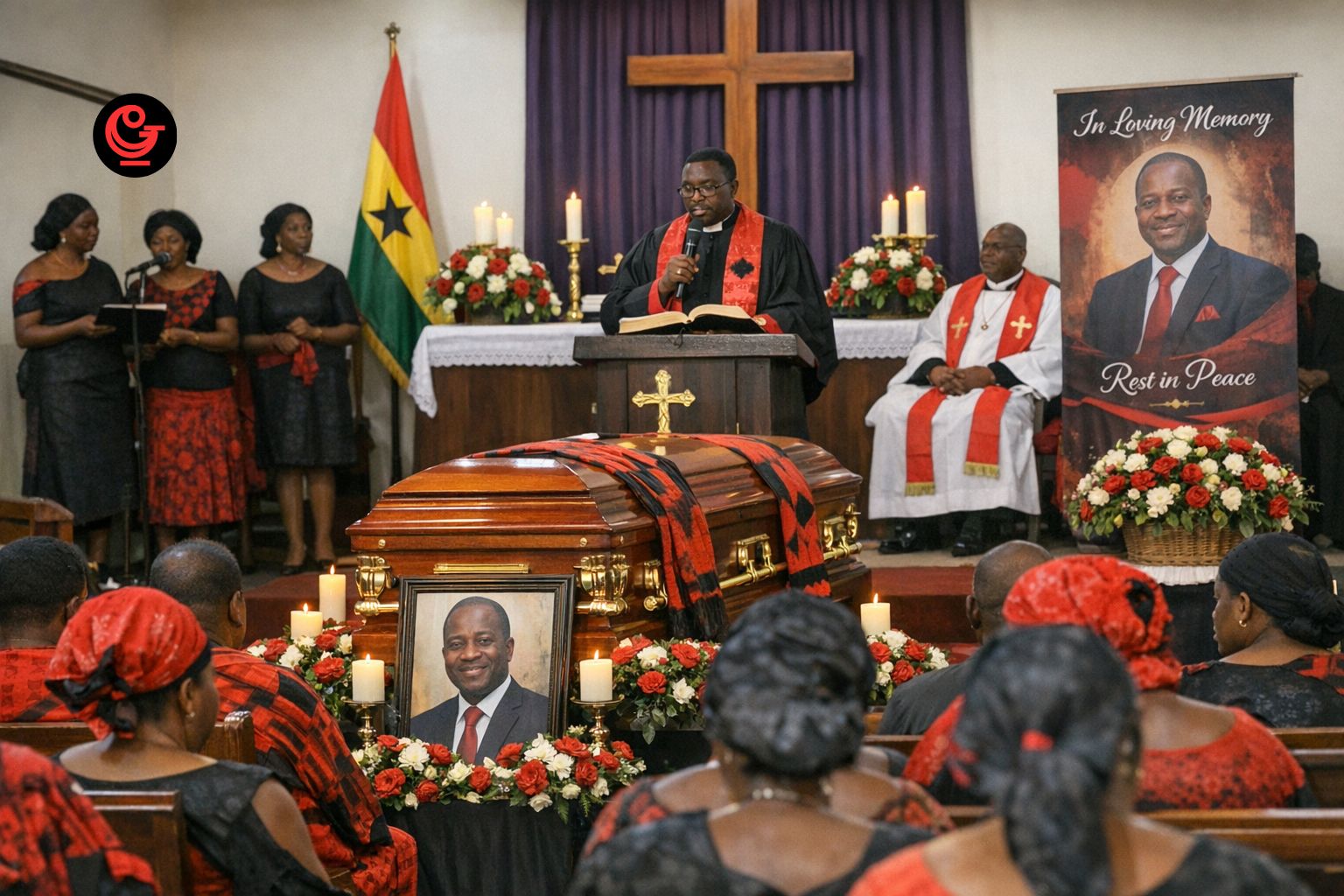
How digital tools can support church-related funeral planning
With the tradition explained, let us look at how digital tools can make the process simpler.
Funeral page for clear communication
A funeral page can help families share:
Service time and venue
One-week event details
Thanksgiving details
Directions and location
Livestream access for those abroad
Official family messages
Instead of repeating details in many WhatsApp chats, the family can keep one clear source of truth.
Online condolence book for church members near and far
Many church members want to express sympathy, but cannot always attend in person. An online condolence book allows members in London, Amsterdam, Toronto, or New York to still leave a message of comfort and support.
Donation support for welfare and funeral contributions
In many Ghanaian church communities, members contribute toward funeral costs. A donation link can make this easier and more transparent, especially when supporters are abroad or unable to attend physically.
A lasting memorial beyond the funeral day
The church’s work often continues after burial through remembrance, prayer, and thanksgiving. A digital memorial helps preserve tributes, family stories, photos, and videos so remembrance does not end when the chairs are folded and the funeral posters come down.
As Ghana Memorial puts it, a funeral is a moment; remembrance can continue far beyond that moment.
Ghana-specific examples of church involvement
Here are a few examples of how this works in practice:
Example 1: A Methodist funeral in Kumasi
The church helps with the order of service, hymn selection, and officiating ministers. The family uses a funeral page to share burial details and livestream access with relatives abroad.
Example 2: A Pentecostal funeral in Accra
The church supports prayer, announcements, and choir participation. The family uses a donation link and online condolence book so church members in Ghana and abroad can easily support.
Example 3: A Catholic family in Cape Coast
The parish sets the funeral mass structure and burial rites. The family shares directions, service times, and thanksgiving updates digitally to reduce repeated calls and confusion.
A simple checklist for families
When working with the church during funeral planning in Ghana, this checklist can help:
Meet the church early.
Confirm dates, service type, and venue needs.
Ask about protocol, music, speaking, and dress.
Clarify any church-related costs or contributions.
Assign one family contact for church communication.
Prepare one clear funeral information source.
Share updates with local and diaspora church members.
Plan thanksgiving and remembrance follow-up.
In Ghana, the church remains one of the strongest supports a family can have during bereavement. It offers prayer, structure, and community. However, families still need clear planning, good communication, and practical tools to make the process manageable.
When families and churches work well together, funerals become more organised and less stressful. And when respectful digital tools are added, the support can reach even further, especially for diaspora relatives and church members who want to take part.
If your family is preparing for a funeral, do not carry the full burden alone. Work closely with the church, organise the details early, and use tools that make communication easier and remembrance more lasting. For practical support, always refer to the Funeral Planner Guide.
Related Articles
Wills, Estate and Probate after death in Ghana: What families should know
Browse the post to know more and explore detailed insights on this topic.
Read MoreWhat to do immediately after a death in Ghana (Step-by-Step Guide)
Browse the post to know more and explore detailed insights on this topic.
Read More