

Coping after loss, supporting children, and living with the long tail of mourning in Ghana
August 6th 2026, 12:00 am
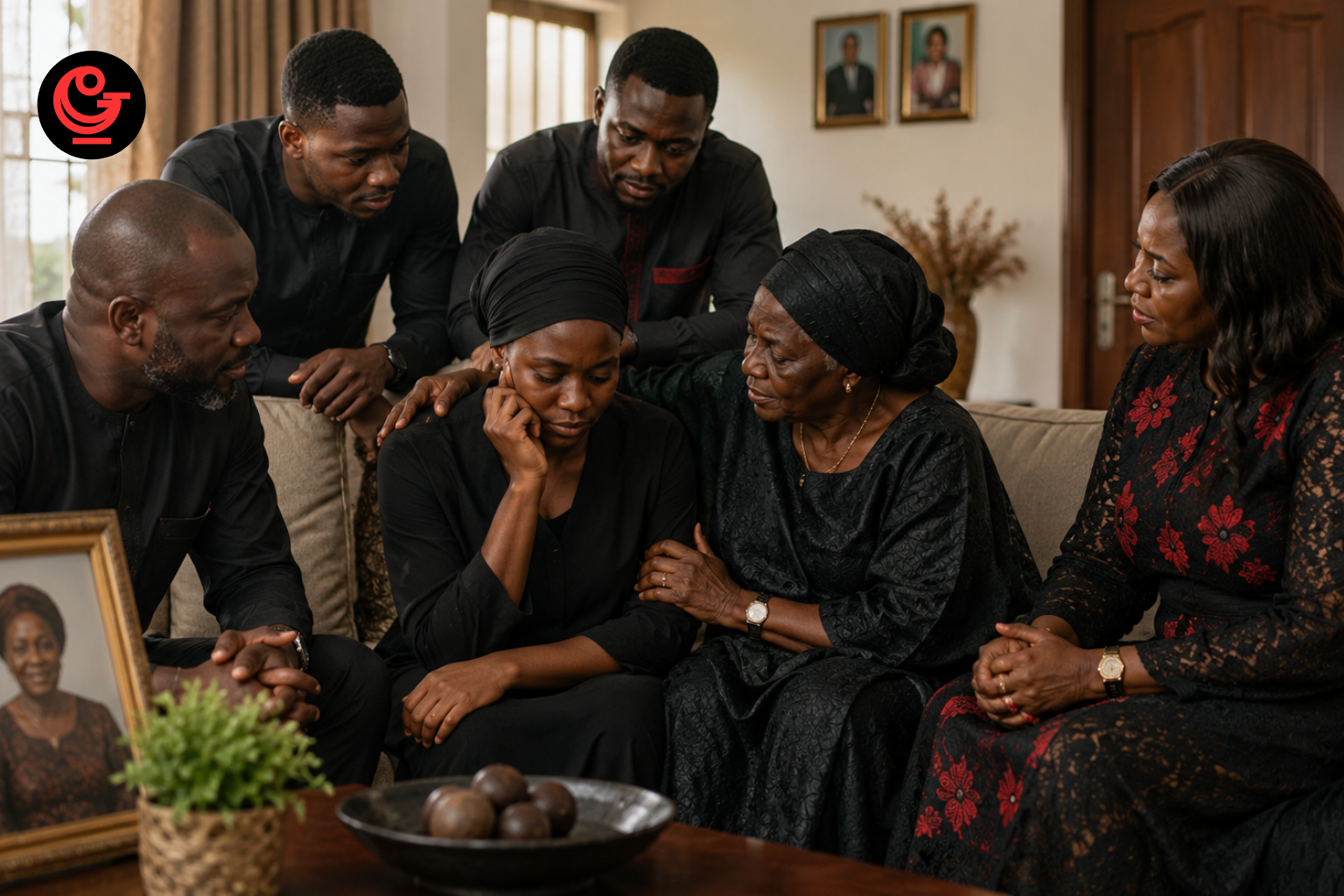
The funeral is over. The canopies have been removed, relatives have travelled home, and the house that was once full of visitors has become quiet. Yet for many families, coping after loss often becomes harder during this quiet period. Adults return to work, children return to school, and daily routines resume, but grief does not end when the final guest leaves.
Mourning continues after the funeral
Losing someone is deeply painful everywhere, but in Ghana the experience of grief is influenced by strong family ties, vivid cultural rituals, and a long, communal mourning process that can stretch for months or even years.
Mourning continues through ordinary moments: an empty chair at the table, a familiar song on the radio, a birthday without the celebrant, a family gathering where a beloved voice is missing, or a child asking when the person who died will return.
In the days and weeks after burial, families move from the intensity of funeral planning to the slower, often lonelier work of writing appreciation messages, settling accounts, caring for the grave, and planning one-year memorials, all while navigating ongoing expectations of remembrance.
For adults and children alike, navigating this “long tail” of mourning requires both personal coping strategies and community support that honours tradition while protecting mental health. It means learning to live with absence while still participating in family life, work, and school, and finding ways to remember that are meaningful without becoming overwhelming.
Coping after loss without rushing the process
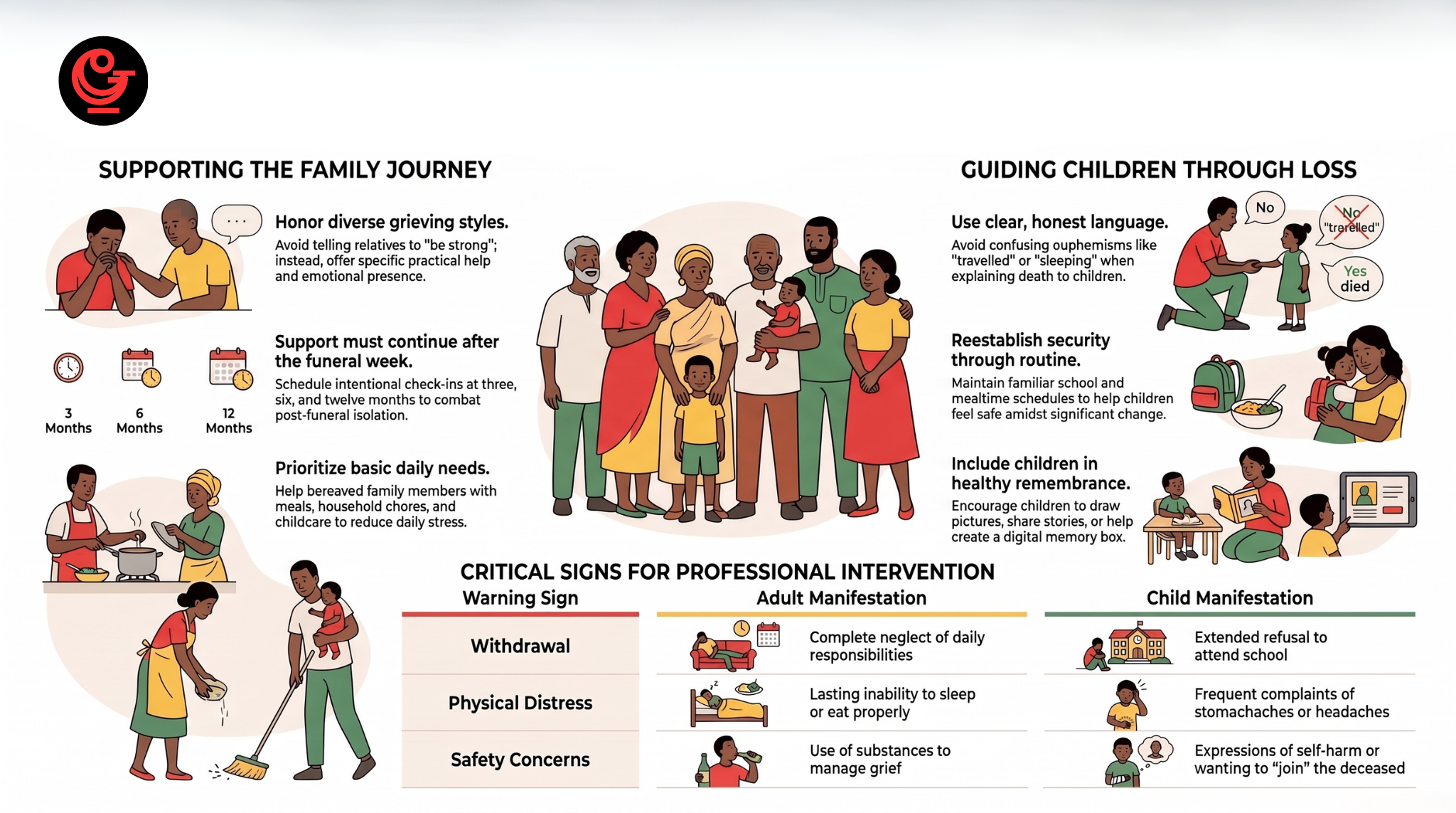
There is no single correct way to mourn. Some people need to talk. Others need quiet time. Some find strength in prayer, family gatherings or cultural practices. Others find comfort in writing, music, counselling or spending time with trusted friends.
The following steps may help.
1. Allow Different People to Grieve Differently
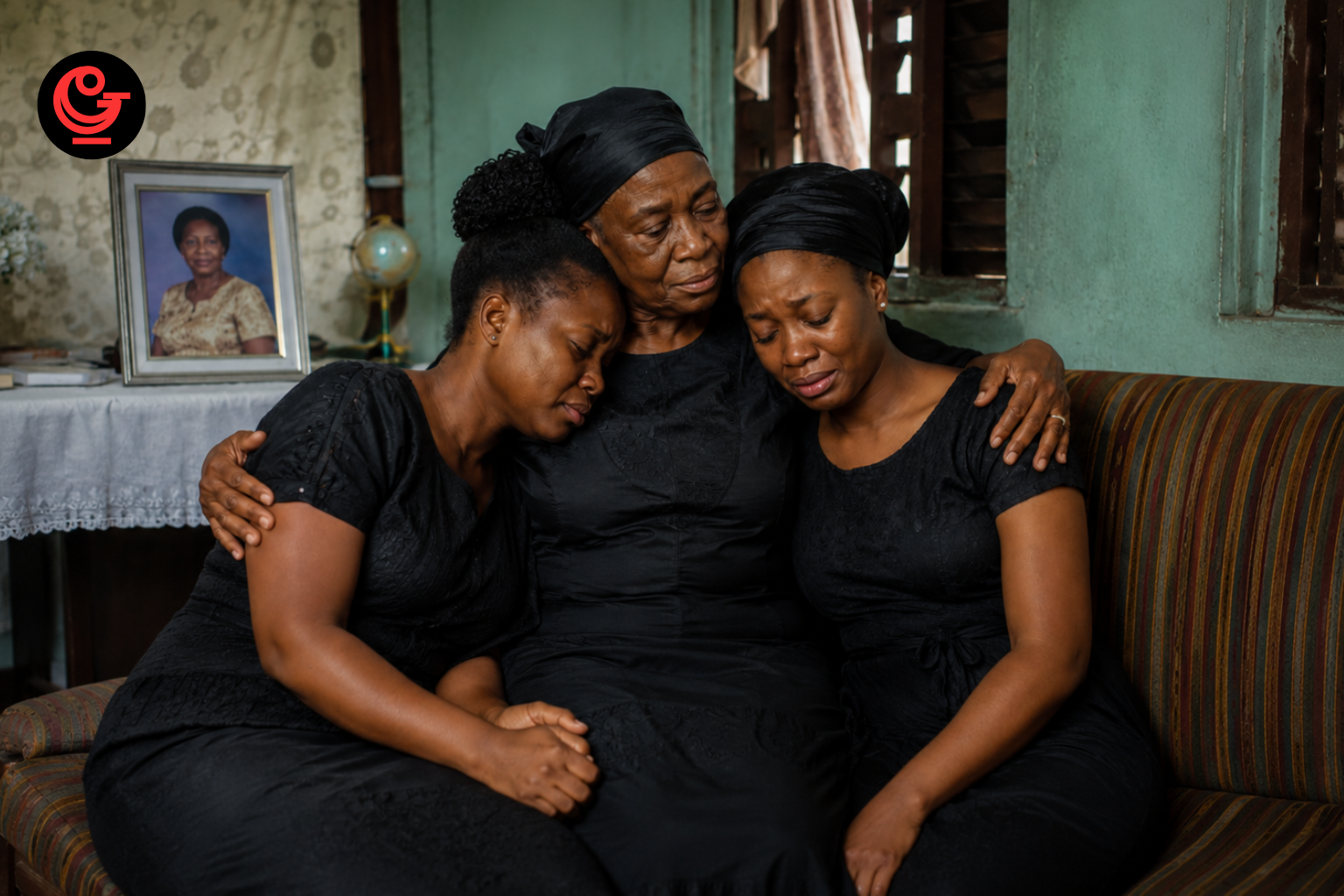
Members of the same family may respond to the death in very different ways.
One person may cry openly. Another may focus on funeral responsibilities. Someone else may appear calm but struggle privately. These differences do not show who loved the deceased most.
Families should avoid telling one another to “be strong” or “move on”. Instead, they can say:
“I am here when you are ready to talk.”
“What would be helpful today?”
“You do not have to go through this alone.”
2. Take Care of Basic Daily Needs
Grief can make everyday tasks feel difficult. Regular meals, rest, bathing, medication and gentle movement may require more attention than usual.
Family members can help by bringing food, accompanying the bereaved to appointments, helping with children or handling specific household responsibilities. Support is often most useful when it is practical and clearly offered.
3. Keep Support Going After the Funeral
Many families receive strong support during the funeral week. However, calls and visits may reduce soon afterwards.
Consider checking on the bereaved person after:
One month
Three months
Six months
The deceased person’s birthday
The first Christmas or major family gathering
The one-year anniversary
A short phone call, meal or visit can matter greatly during these quieter periods.
Supporting grieving children with honesty and care
Children experience grief too, although they may not express it like adults.
A child may cry and then begin playing a few minutes later. Another may become unusually quiet, angry, fearful or dependent. Some children complain of headaches or stomachaches. Others struggle to sleep, concentrate or complete schoolwork.
These reactions do not always mean that the child has forgotten or does not understand. Children often move in and out of grief because they can only manage difficult feelings for short periods.
Use Clear and Simple Language
Children need honest explanations that match their age.
Avoid unclear phrases such as “Grandma has gone to sleep” or “Daddy has travelled”. A young child may then become afraid of sleeping or expect the person to return.
Instead, gently explain that the person has died and that their body no longer works. Give the child time to ask questions. The same questions may be asked repeatedly as the child gradually understands what has happened.
UNICEF advises adults to speak slowly, pause often and be honest about their own sadness while reassuring the child that expressing feelings is normal.
Reassure the Child
Young children sometimes believe their thoughts or actions caused the death.
Tell them clearly:
The death was not their fault.
They are still loved and cared for.
An adult will continue looking after them.
They may ask questions whenever they need to.
Where a parent or caregiver has died, explain practical changes carefully. Tell the child who will take them to school, where they will live and who they can call when they feel afraid.
Maintain Familiar Routines
Regular school attendance, mealtimes, bedtime routines and familiar activities can help children feel secure.
Teachers and school leaders should be informed, especially where the child’s concentration, behaviour or attendance may be affected. However, the child’s privacy should also be respected.
Include Children Without Forcing Them
Children may be included in family remembrance activities in ways that are safe and appropriate for their age.
They may:
Choose a photograph for the memorial
Draw a picture or write a letter
Share a favourite story
Place a flower at the grave
Help create a memory box
Listen to the deceased person’s favourite music
Attend part of a memorial service with a trusted adult
Open communication and thoughtful inclusion can help children feel that they remain part of the family’s mourning and remembrance.
When a child or adult may need extra support
Grief itself is not an illness. However, professional support may be necessary when distress becomes severe or continues to interfere significantly with daily life.
Seek help from a doctor, qualified counsellor, psychologist or mental health professional when an adult or child:
Cannot manage normal daily responsibilities
Remains severely withdrawn
Stops eating or sleeping properly
Refuses school for an extended period
Experiences a sharp and lasting decline in school performance
Uses alcohol or other substances to manage grief
Talks about self-harm
Repeatedly says they want to die or join the deceased
Experiences severe fear, flashbacks or distress after a traumatic death
The Ghana Mental Health Authority oversees psychiatric hospitals and mental health units in different regions and districts. Families who need support can consult its information on available mental health facilities in Ghana.
Seeking help is not a failure of faith, family or strength. It is an act of care.
Keeping memories present in a healthy way
Remembrance can give grief somewhere to rest.
Families may keep a photograph in the home, prepare the deceased person’s favourite meal on a special date, visit the grave, share stories with younger relatives or organise an annual family gathering.
A digital memorial can also provide one shared place for photographs, voice recordings, videos, family history and tributes. This can be especially meaningful when relatives live in different countries.
The Ghana Memorial includes tools for family relationships, stories, media, life timelines and funeral information. Its Online Condolence Book allows relatives and friends to contribute messages that can remain part of the family’s record.
As one Ghana Memorial user explained:
“With Ghana Memorial, I carry my father’s memory in my pocket — his voice, photos, our stories are right there.” — Emmanuel Ahiale, Accra
A memorial should not replace personal conversation, community support or professional care. Instead, it can complement them by giving family members a respectful place to return to when they wish to remember.
A simple family plan for the months after loss
Families can create a basic support plan together:
Identify the adults responsible for supporting each child.
Inform the child’s school or caregiver.
Schedule family check-ins after the funeral.
Record important birthdays and anniversaries.
Keep photographs, stories and documents safely.
Decide how the family will mark the one-year remembrance.
Identify a counsellor or health professional should extra support become necessary.
The aim is not to organise every emotion. It is to make sure no family member feels forgotten after the public mourning has ended.
Grief changes, but love remains
The long tail of mourning can last for months or years. Over time, the sharpness of grief may lessen, but memories will continue to appear in daily life.
Children may understand the loss differently as they grow older. Adults may feel grief again during weddings, graduations, births or other milestones. Families should therefore allow conversations about the deceased to continue.
When stories, photographs and family memories remain accessible, children can grow up knowing the person they lost. Diaspora relatives can also stay connected to the family’s shared history.
Funerals mark a moment of farewell. Remembrance continues long afterwards.
Ghana Memorial helps families preserve that remembrance in one lasting space — the tribute they deserve and the peace you need.
For further support with funeral responsibilities, family roles, the one-year remembrance and the stages before and after burial, refer to the free Funeral Planner Guide. It provides practical guidance for families in Ghana and the diaspora.
Written by: David Owusu Asante
Related Articles
Role of the chief mourner and family elders in Ghanaian funerals
Browse the post to know more and explore detailed insights on this topic.
Read MoreWills, Estate and Probate after death in Ghana: What families should know
Browse the post to know more and explore detailed insights on this topic.
Read More